
Know Whether There's a Dress Code First
Before anything else, find out if the owambe has an aso-ebi — a designated fabric or colour the host's family has chosen for guests to wear as a show of solidarity. If there is one, it takes priority over everything else here: your silhouette, your accessories, your personal colour preferences all get built around that fabric. If there isn't one, you have real freedom — and that's where the rest of this guide becomes useful.
The Silhouettes That Actually Work
An owambe is a full-day commitment — arrival photos, the reception, hours of standing and dancing, more photos on the way out. Your outfit needs to survive all of it, not just look good in the first twenty minutes.
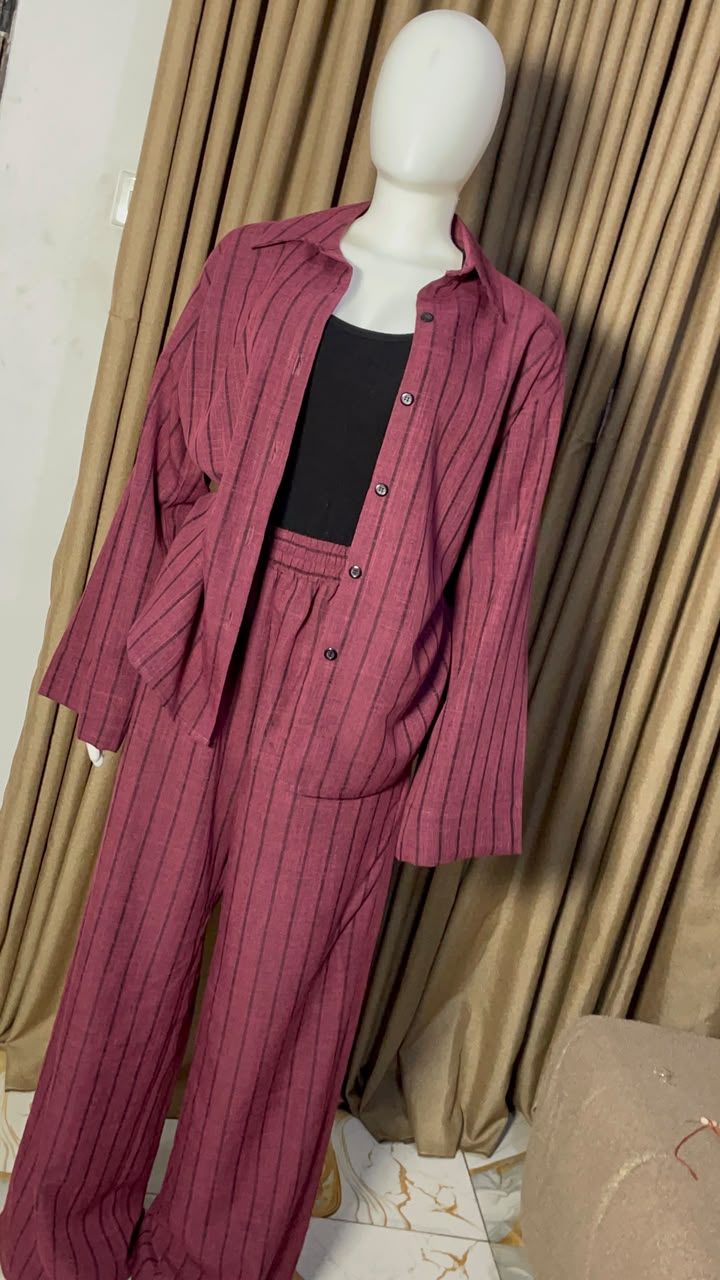
- Structured co-ord sets hold their shape through hours of movement without needing constant adjustment — a genuine advantage over a single-piece gown that can twist or ride up as the night goes on.
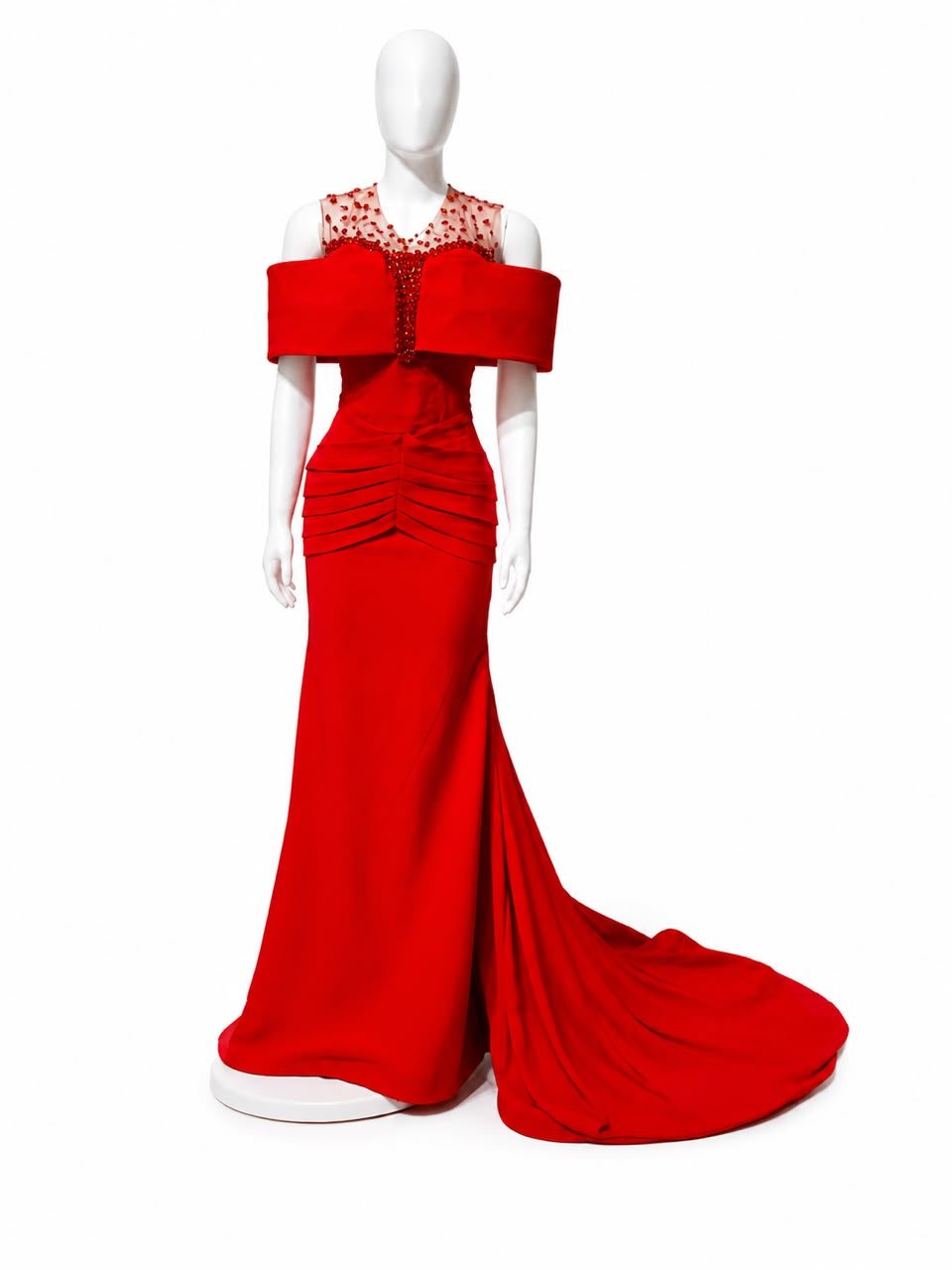
- Off-shoulder and beaded gowns earn their place when the occasion calls for real drama — a milestone birthday, a close friend's wedding — where you want the entrance to matter as much as the dancing.
- Wide-leg trouser sets are the underrated choice: they read as formal, but they let you move, sit, and dance without a second thought.
Fabric Matters More Than Colour
Lagos heat and a packed reception hall are not forgiving. Heavy, non-breathable fabric is the single most common regret we hear about after an owambe — not the colour, not the cut, the fabric. Linen blends and lightweight charmeuse silk hold their structure while actually letting your skin breathe, which matters a great deal three hours into a live band set.
If you're set on something heavier — aso-oke or a fully beaded bodice — build in relief elsewhere: a lighter under-layer, a shorter sleeve, a slit. The goal is to look considered, not endured.
Playing the Colour Game
Outside of aso-ebi, colour is where you can genuinely stand out — but there's a difference between standing out and clashing with the room. A useful rule: match the formality of the room's palette even if you don't match its exact hue. If the aso-ebi is jewel-toned and dramatic, a soft neutral with strong tailoring reads as intentional. If it's pastel and soft, a single saturated colour makes you the accent, not the outlier.
Accessorising Without Overdoing It
An owambe outfit is already doing a lot of work — beading, colour, silhouette. Let jewellery play a supporting role rather than compete: one statement piece (a cuff, a set of layered gold necklaces, a headwrap in a complementary tone) reads as more deliberate than five competing pieces. Shoes matter more than people budget for — you'll be on your feet and dancing for hours, so comfort has to factor into the decision, not just how the shoe photographs standing still.
When Ready-to-Wear Isn't Quite It
Sometimes the aso-ebi fabric doesn't come in a cut that flatters you, or you simply want something no one else in the room is wearing. That's exactly what a bespoke piece solves — same fabric, cut to your actual measurements, in a silhouette you chose rather than picked from what was available. We build custom pieces from aso-oke, Ankara, and hand-dyed adire, start to finish, in 10–14 days.
Have Your Owambe Outfit Made to Fit
Choose your garment, fabric, and silhouette — we handle the rest.
Start a Custom Order →